
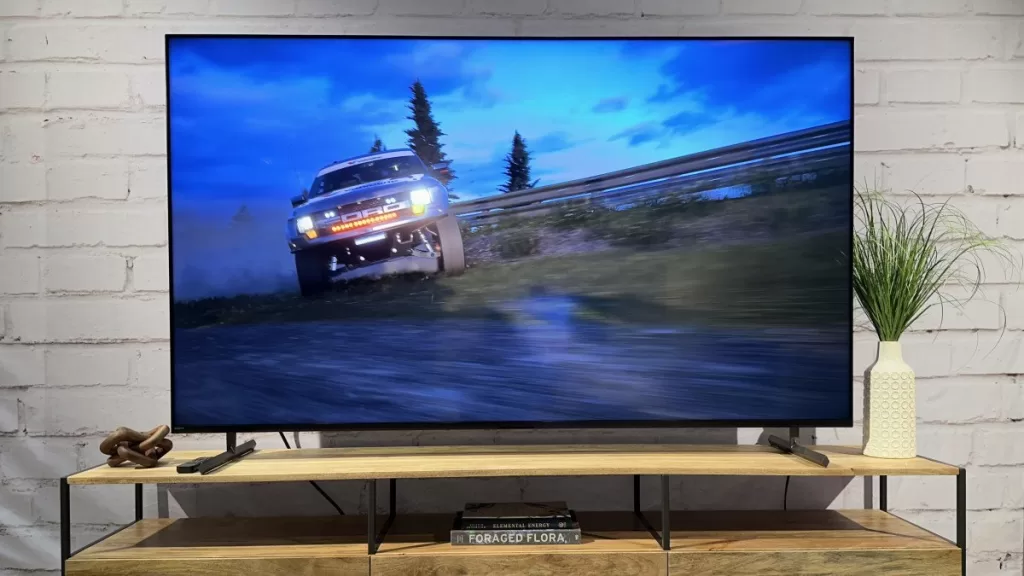
A 98-inch TV makes sense now because big TVs cost far less than they used to, and a screen that size gives your whole family a picture that feels like the movies. Pair a Sony picture with Yamaha surround sound, Sonos music in every room and Control4 to run it all from one app, and your home is ready for a crowd. Thanksgiving is Thursday, November 26th, so now is a good time to plan.
Want Ryan to look at your family room? call (973) 945-5275 or text (973) 945-5275. For the short version, see our 98-inch Sony TV and whole-home music page.
In this guide
- Why big TVs cost so much less now
- So why not go big?
- How far to sit from a 98-inch TV
- Why Ryan picks Sony for the picture
- What happens to a cheap TV when it gets big
- Why Yamaha for surround sound
- Sonos for music in every room
- One app for the TV, music and lights
- What One Sound Choice clients say
- Planning before the holidays
- Questions about big TVs and whole-home music
- Meet Ryan
Why do big TVs cost so much less now?
Big TVs cost much less today than they did just a few years ago. A 98-inch TV used to be something you mostly saw in a sports bar. Now it is a normal choice for a family room.
Here is a real example. As of Nov 13, 2026, Sony lists its 98-inch BRAVIA 5, model K-98XR50, for $3,199.99 on Sony.com. That is about $3,200 for a TV that is almost 8 feet across on the diagonal. Prices change often, so treat this as a snapshot, not a promise.
RTINGS, a well-known TV testing site, said the same thing in its guide to viewing distance. It noted that 98-inch TVs can now be found for around $4,000 to $5,000. When a screen that big costs $5,000 or less, the old reasons to stay small start to fade.
So why not go big?
If the price is no longer the thing holding you back, the real question becomes simple. Why not go big? There are 3 good reasons a big screen makes a family room better, and none of them are about showing off.
It fits the way most families sit
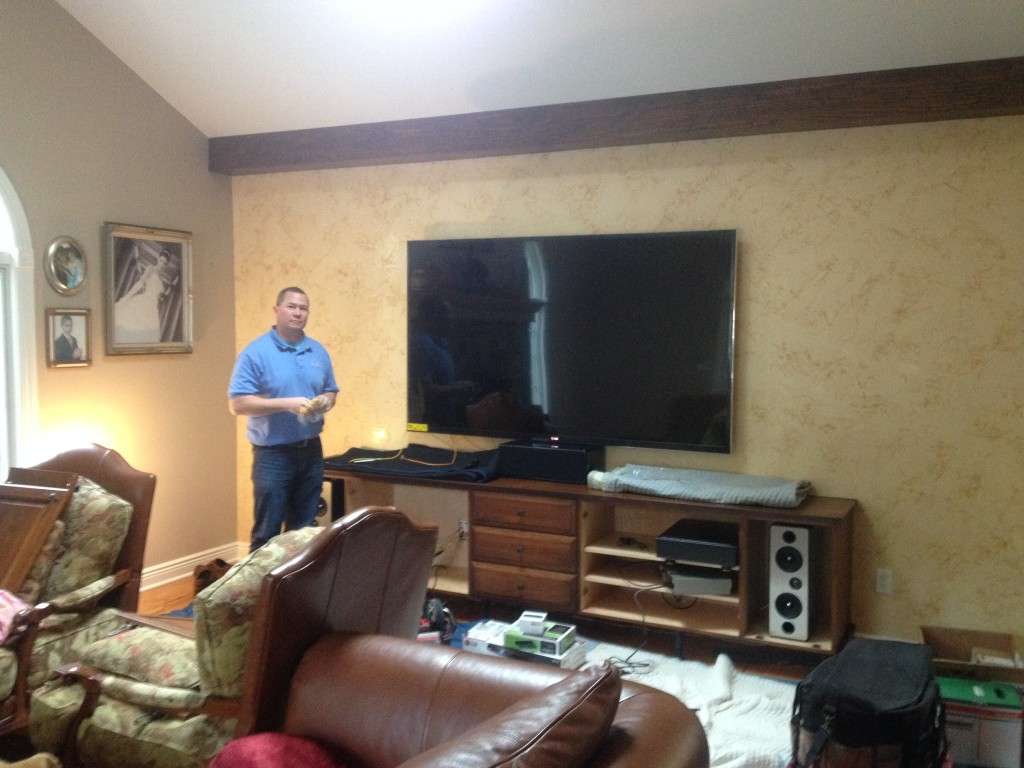
Most family room sofas sit 10 to 13 feet from the TV wall. At that distance, a 55-inch or 65-inch TV looks small. Your eyes notice the wall around it more than the picture. A 98-inch screen fills the space the way it should, so the TV feels like it belongs to the room.
You feel like you are in the scene
When a screen fills more of what you see, your brain starts to treat it like a window instead of a box on the wall. That is why a movie theater feels different from a TV at home. A big screen brings some of that feeling home, so a car chase feels faster, a football game feels closer and a nature show feels wider.
Everyone gets a good seat
On Thanksgiving, people do not all fit on 1 sofa. Some are on the sectional, some are on kitchen stools, and a few kids are on the floor. With a small TV, only the middle seats see well. With a 98-inch screen, the person at the far end of the sofa and the cousin at the island can both follow the game. The whole family watches together, and that is the point.
Not sure a 98-inch TV fits your wall? call (973) 945-5275 or text (973) 945-5275, and Ryan will measure and tell you honestly.
How far should you sit from a 98-inch TV?
For most people, about 10 to 13 feet away is the sweet spot for a 98-inch TV. That range comes from simple math that movie groups use.
RTINGS explains that SMPTE, a group that sets standards for film and TV, suggests the screen should fill at least 30 degrees of your view. THX, the company known for theater sound and picture, suggests about 40 degrees for a more cinema-like feel. RTINGS gives an easy rule for 30 degrees: take your seating distance and divide it by 1.6 to get the screen size.
A 98-inch TV is about 85 inches wide. With that width:
- At about 13 feet, the screen fills about 30 degrees of your view. That meets the SMPTE minimum.
- At about 10 feet, the screen fills about 40 degrees. That matches the THX theater feel.
- Closer than about 8 feet, you may need to move your eyes around the screen, which some people like for movies and others find tiring.
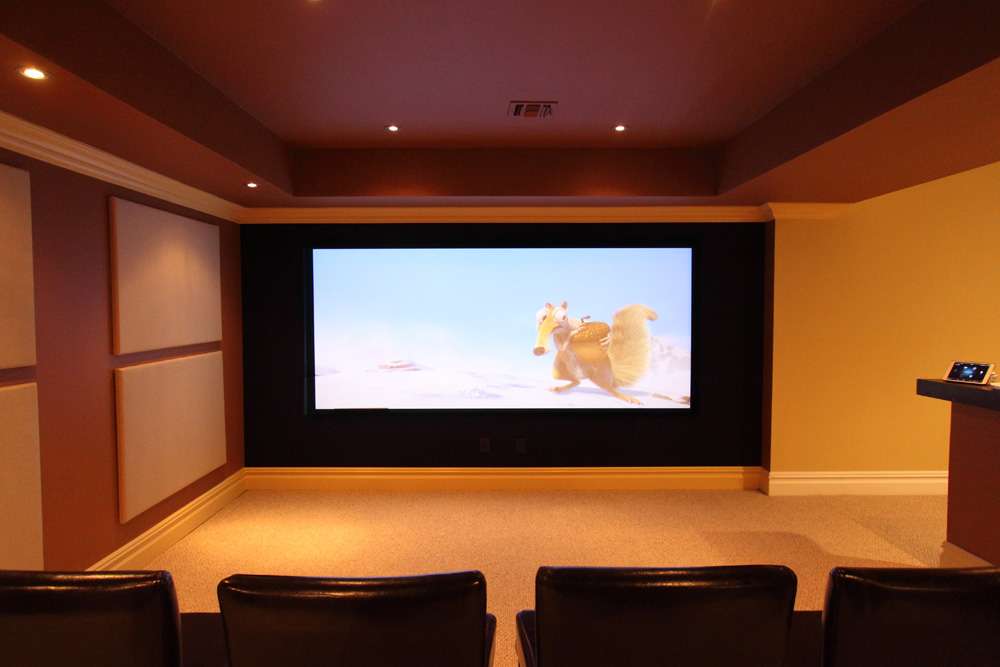
So if your sofa sits anywhere from 10 to 13 feet from the TV wall, a 98-inch screen is not too big. It is the right size. A 65-inch TV at that same distance only fills about 20 to 27 degrees, which is why it can feel small.
Why does Ryan pick Sony for the picture?
Ryan picks Sony because quality matters, and Sony has been a leader in video for a very long time. When you blow a picture up to 98 inches, every strength and every weakness gets bigger too. You want a company that has spent decades getting the picture right.
Sony has a long TV history
Sony’s own company history lists a long line of TV firsts. In 1968, Sony launched the Trinitron color TV, which was about twice as bright as other color TVs of its time. In 2004, Sony made the Qualia 005, which it calls the world’s first LCD TV with an LED backlight. In 2005, the first BRAVIA TVs came out. In 2007, Sony released the XEL-1, the world’s first OLED TV. In 2012, Sony launched its first 4K BRAVIA, which could turn HD shows into a sharper 4K picture.
Hollywood films with Sony cameras
Sony does not just make the TV in your family room. It also makes the VENICE, a digital cinema camera that top filmmakers use to shoot big movies. Top Gun: Maverick was shot on Sony VENICE, and Sony says 6 VENICE cameras were mounted inside the fighter jets to film the actors in flight. Avatar: The Way of Water was also shot on VENICE. YMCinema pointed out that the top films of 2022, including Top Gun: Maverick, Black Panther: Wakanda Forever and Avatar: The Way of Water, were shot on VENICE.
Ryan likes that. The same company that helps capture the picture in Hollywood also builds the TV that shows it at home. Sony knows what the director wanted the movie to look like.
Sony’s picture processing is excellent
The brain inside a TV is called the processor. It cleans up the picture, sharpens edges and makes lower-quality shows look better. Sony says the BRAVIA 5’s XR Processor “intelligently enhances every scene in real-time.” Independent testers agree. In its BRAVIA 5 review, RTINGS wrote that the TV has “excellent image processing overall” and “superb upscaling capabilities for low-resolution content,” and that “it does a great job cleaning up artifacts in heavily compressed content, like YouTube.”
That matters more than most people think. A lot of what we watch is not perfect 4K. Cable channels, older movies and YouTube videos all need help to look good on a big screen, and that is where strong processing pays off.
What happens to a cheap no-name TV when it gets big?
In Ryan’s experience, a no-name TV can look fine at 50 inches but starts to look fuzzy when it is blown up to 85 inches or more. Here is the simple reason why.
A 4K TV has about 3,840 tiny dots across the screen, no matter how big the TV is. On a 50-inch TV, each dot is very small. On a 98-inch TV, those same dots are spread across almost twice the width, so each one is much bigger. Any mistake the TV makes, like a blurry edge, a smeared color or a blocky shadow, gets bigger too.
That is why the processing we talked about matters so much. A TV with weak processing has nowhere to hide on a giant screen. A TV with strong processing, like the Sony, cleans up the picture before you ever see it. At 50 inches, the difference can be hard to spot. At 98 inches, your family will see it during the first game.
Ryan also has a clear view on speakers. He would not use Sony speakers for a family room system. Video is Sony’s focus, so he uses Sony for the picture and picks other brands that focus on sound.
Why does Ryan use Yamaha for surround sound?
Ryan uses Yamaha for surround sound because Yamaha knows music. It is a company that has made instruments for orchestras, bands and schools for well over 100 years, and that know-how shows up in its home theater gear.
According to Yamaha’s history, Torakusu Yamaha started the company in 1887 by building a reed organ. Yamaha made its first upright piano in 1900 and its first grand piano in 1902. Today Yamaha pianos, drums, horns and other instruments are played on stages all over the world.
Yamaha also studies how sound behaves in real rooms. Yamaha began designing concert halls in 1974, and its first home DSP processor in 1986 used sound data measured in real concert halls. Yamaha’s own history of its AV receivers lists more steps: CINEMA DSP in 1993, Dolby Digital in 1997, and YPAO in 2003. YPAO uses a small microphone to measure your room and then tunes the speakers to it.
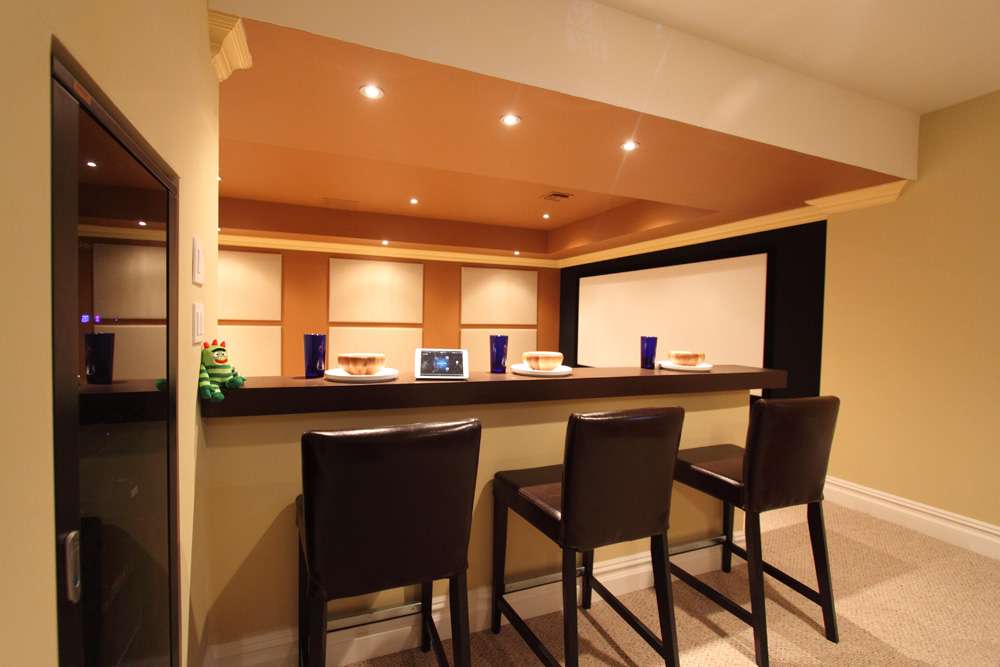
That is why Ryan likes Yamaha with a big Sony screen. The picture pulls you in, and the sound comes from all around you, the way it does in a theater. A helicopter can fly over your head, and the crowd at a game can sound like it is behind you.
Want to hear what a Sony and Yamaha setup could do in your home? call (973) 945-5275 or text (973) 945-5275.
Why is Sonos great for music in every room?
Ryan thinks Sonos is awesome for music in every room. It is easy for the whole family to use, and it sounds great from the kitchen to the patio.
Sonos explains that you can group rooms so they play the same song in perfect sync. You can set the volume in each room on its own, so the kitchen can be a little louder than the dining room. You can also pick “Everywhere” to play the same music in every room at once.
On Thanksgiving, that might look like this. Soft music plays in the kitchen while dinner cooks. The family room stays quiet for the game on the big Sony. Out on the patio, the same playlist from the kitchen keeps going for the people near the fire pit. Later, when it is time to clean up, you turn on “Everywhere” and the whole house has music.
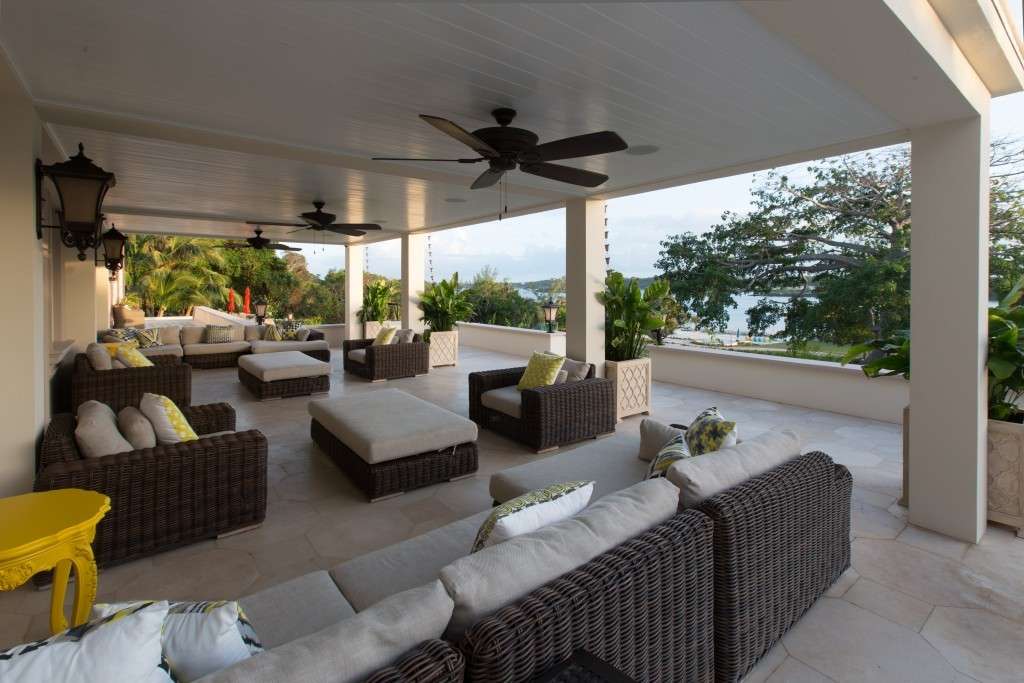
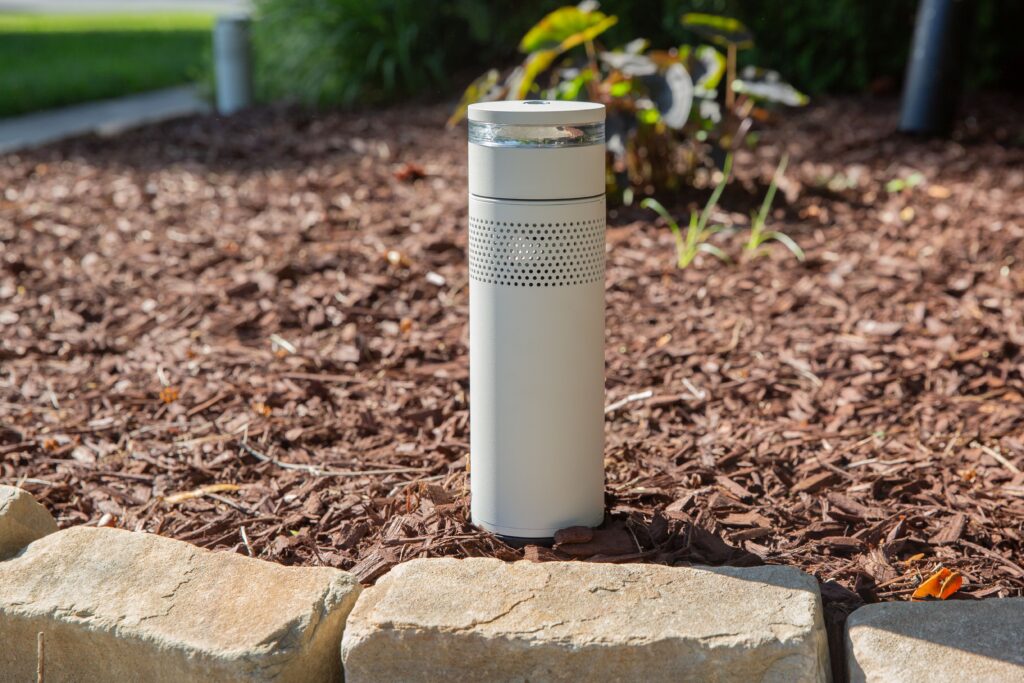
Our Thanksgiving landing page covers why little portable speakers fall short. Here the goal is different: planning where the sound should go. Ceiling speakers in the kitchen, small speakers under the porch roof and garden speakers out back can all be part of the same Sonos system.
Can one app run the TV, music and lights?
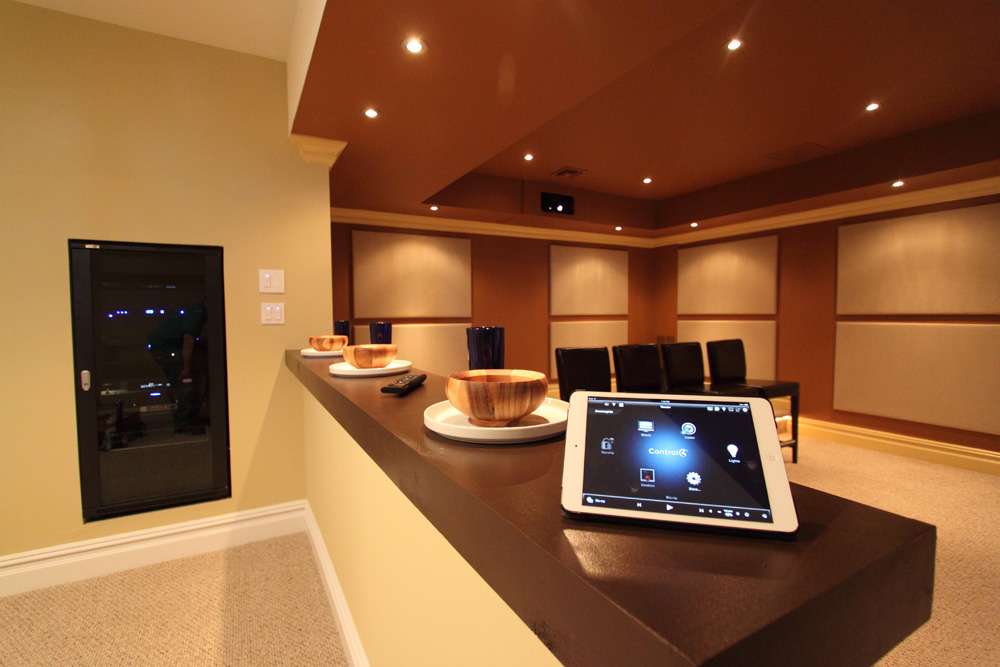
Yes. Control4 puts the TV, the music in every room and even the lights into 1 app. You do not need a pile of remotes or 5 different apps on your phone.
Control4 says its app lets you control lighting, music, security and more from one system. It calls it “One App to Rule Them All” and says you can check the doorbell, play music, or change the lights or the TV from the same place. You can start music in one room and add more rooms as the party grows, and you can “adjust the lights for the movie.”
Here is what that means at home. You press “Movie” and the lights dim, the Sony turns on and the Yamaha switches to the right input. Press “Dinner” and the dining room lights come up while soft music starts. When the last guest leaves, press “Goodnight” and the house turns off the TV, the music and the lights.
Not everyone wants to use a phone, and that is fine. Control4 also works with wall keypads and a simple remote, so grandparents and kids can use it too.
What One Sound Choice clients say
These are real words from One Sound Choice clients, shared just as they wrote them.
The service was timely, the process was easy and I’m very satisfied…the theatre came out phenomenal. The picture (quality) is phenomenal. The equipment (Ryan) recommended was fantastic and he was involved in the entire process (from the very beginning).
– Mr. & Mrs. Shatz
We hired Ryan from One Sound Choice to install a movie theater in home we were building. His expertise was invaluable. In addition to being an informed person about every aspect of the theater, walls, insulation, lighting, seating, installation of the walls, screen and all of the equipment in the back room, he became a trusted contractor and we have complete faith in his work. Our movie theater is amazing to look at, sit in, and enjoy movies. If any work is needed as it is periodically Ryan is very reliable. Feel free to ask Ryan for photos of the room. Dr. and Mrs. Steven Stoller Saddle River, New Jersey
– Dr. and Mrs. Steven Stoller, Saddle River, New Jersey
(following their Open House and Daughter’s Birthday Party, Mike Deyong sent 1 Sound Choice, LLC, an e-mail saying): “FYI, the party went off without a hitch. I was doing demos all day. I had to wipe everyone’s chins off the floor. People were shocked and awed. If I had a nickel for each ‘unbelievable’, ‘incredible’ and ‘breathtaking’ that I heard, I could build another theater.”
– Mr. & Mrs. Deyong
How do you plan before the holidays?
Thanksgiving is Thursday, November 26th. If you want a big TV and music in more rooms, plan it now for the holidays. Here is how Ryan usually plans it.
- Walk the house. Ryan visits, looks at the TV wall and the rooms where people gather, and asks how your family spends the holiday.
- Pick the screen and sound. He checks the seating distance, the wall and the wiring for a 98-inch Sony, and plans Yamaha surround sound for that room.
- Plan the music rooms. He maps out which rooms and outdoor spaces get Sonos, and which can wait.
- Tie it together. Control4 puts the TV, music and lights into 1 app, with keypads where they make sense.
- Be honest about timing. How long it takes depends on the room and the equipment. Ryan will give you a real plan after he walks the room.
For a quick look at the whole idea, visit our 98-inch Sony and whole-home music page.
Ready to plan your Thanksgiving setup? call (973) 945-5275 or text (973) 945-5275. Ryan answers his own phone.
Questions about big TVs and whole-home music
How much does a 98-inch Sony TV cost now?
As of Nov 13, 2026, Sony lists the 98-inch BRAVIA 5 at $3,199.99 on its own website. Retail prices change often, so check the store on the day you buy.
How far away should you sit from a 98-inch TV?
For a big, movie-like picture, sit about 10 to 13 feet away. At about 13 feet the screen fills about 30 degrees of your view, which is the minimum SMPTE suggests, and at about 10 feet it fills about 40 degrees, which is what THX suggests for a theater feel.
Is a 98-inch TV too big for a family room?
Usually not. Most family room sofas sit 10 to 13 feet from the TV wall, which is right in the range where a 98-inch screen looks its best. The bigger question is the wall itself, so Ryan checks the space, the mount and the wiring before anything goes up.
Why use Yamaha for surround sound instead of the TV brand’s speakers?
Ryan picks each brand for what it does best. Sony is a leader in picture, and Yamaha has built musical instruments since 1887 and studied concert hall sound for decades, so its receivers are built around how real rooms sound.
Can Sonos play music in every room and outside?
Yes. Sonos lets you group rooms so they play the same song in sync, set each room’s volume on its own, or play everywhere at once. Outdoor speakers can join the same group as the kitchen and family room.
Can one app really run the TV, music and lights?
Yes. Control4 brings the TV, the music in every room and the lighting into one app, so one button can dim the lights and start the movie. You can also use wall keypads and remotes if you would rather not grab a phone.
Should I start planning before the holidays?
Yes, it helps to start now. Thanksgiving is Thursday, November 26th. How long a project takes depends on the room and the equipment. Call or text Ryan at (973) 945-5275, and he will walk the room and give you a real plan.
Meet Ryan
Ryan Herd is the founder of One Sound Choice. He is a former Mayor of Pequannock Township, a TEDx speaker, a patent holder and the author of Join the Smart Home Revolution, with more than 30 years in home technology. When Ryan plans a big TV and music for your home, he starts with how your family likes to spend time together.
Where we install big TVs and whole-home music
One Sound Choice designs and installs large TVs, surround sound, whole-home music and Control4 systems across Morris, Bergen, Essex, Passaic, Somerset and Hunterdon counties in Northern New Jersey, and for clients in Manhattan.
One Sound Choice, 8 Tilley Ave, Pompton Plains, NJ 07444. Phone: (973) 945-5275. You can also text Ryan. Written by Ryan Herd, founder of One Sound Choice.